




Regulatory Bulletin: Navigating Change in the UK Energy Market
1 December 2025 | 10 minutes
As the UK energy system undergoes significant transformation, stay informed and plan ahead. This issue explores major regulatory developments, including the electricity market reform, government strategy, and the evolving landscape of non-commodity costs.

Non-Commodity Costs
Non-commodity costs now make up more than 60% of a typical business electricity bill, and they are set to rise further in 2026.
These costs fund the infrastructure, subsidies, and system balancing required to maintain a secure and sustainable energy system.
Key components include the Renewables Obligation (RO), Contracts for Difference (CfD), Feed in Tariff FiT scheme, Capacity Market (CM), Balancing Services Use of System (BSUoS), Transmission (TNUoS), Distribution (DUoS), Energy Intensive Industries Support Levy (ESL), and the new Nuclear RAB levy. Many of these charges are increasing due to inflation-linked legacy contracts, rising demand and the need to fund new infrastructure.
For example, CM costs are expected to increase significantly, while TNUoS charges are being reformed to reflect the significant investment required in grid infrastructure. BSUoS is rising due to under-recovery and grid balancing pressures due to increasing intermittent generation capacity in the mix and network constraints, and ESL and RAB will add new layers of cost.
To manage these increases, businesses can take several steps including shifting usage to off-peak times, improving energy efficiency and installing onsite generation can help reduce exposure.
Non-commodity costs: Nuclear Regulated Asset Base (RAB)
From December 2025, a new Nuclear Regulated Asset Base (RAB) Levy will be introduced on electricity bills, marking a significant change in how nuclear projects are funded.
The scheme will work in a similar way to CfD (Contract for Difference), with both an Operational and Obligation Levy being charged. For Nuclear RAB, the Operational Levy came into effect from 4th November 2025, with the Obligation levy following on 1st December 2025. The Operational Levy has been announced as £0.0028/MWh1 and the Obligation Levy will start at £3.54/MWh2. This charge will fund the ongoing construction of Sizewell C and potentially further future nuclear projects.
The RAB model allows developers to recover costs during construction, reducing financial risk and attracting private investment. It is regulated by Ofgem and administered by the Low Carbon Contracts Company.
While the RAB levy introduces a new cost to business electricity consumers, it is part of a broader strategy to stabilise long-term electricity prices and reduce reliance on fossil fuels. It does not immediately replace existing schemes like the Renewables Obligation (RO) or Contracts for Difference (CfD), but over time, increased nuclear capacity may lead to lower support costs and more predictable pricing.

Non-commodity costs: Energy Intensive Industries Support Levy (ESL)
From 1st April 2026, the ESL discount for eligible Energy Intensive Industries (EIIs) customers will increase from 60% to 90%, with the cost of the scheme passing through to non-EII customers.
The ESL, introduced in April 2025, is designed to fund discounts for EIIs. These Network Charging Compensation (NCC) discounts are increasing from 60% to 90%3 from 1st April 2026, and the government is considering expanding eligibility to additional sectors.
As more businesses qualify, the cost of the scheme will rise and be passed through to non-EII customers. Although ESL is still relatively small, it is expected to grow steadily. Businesses should monitor monthly forecasts, incorporate ESL into their energy budgets and engage stakeholders early to manage expectations. For more information on ESL, read our dedicated blog here.
REMA and the Strategic Spatial Energy Plan
The UK Government has now updated on its Review of Electricity Market Arrangements (REMA), confirming that zonal pricing will not be introduced4. Instead, the government will retain a single GB -wide wholesale market, while implementing a series of reforms aimed at improving locational signals and strategic planning.
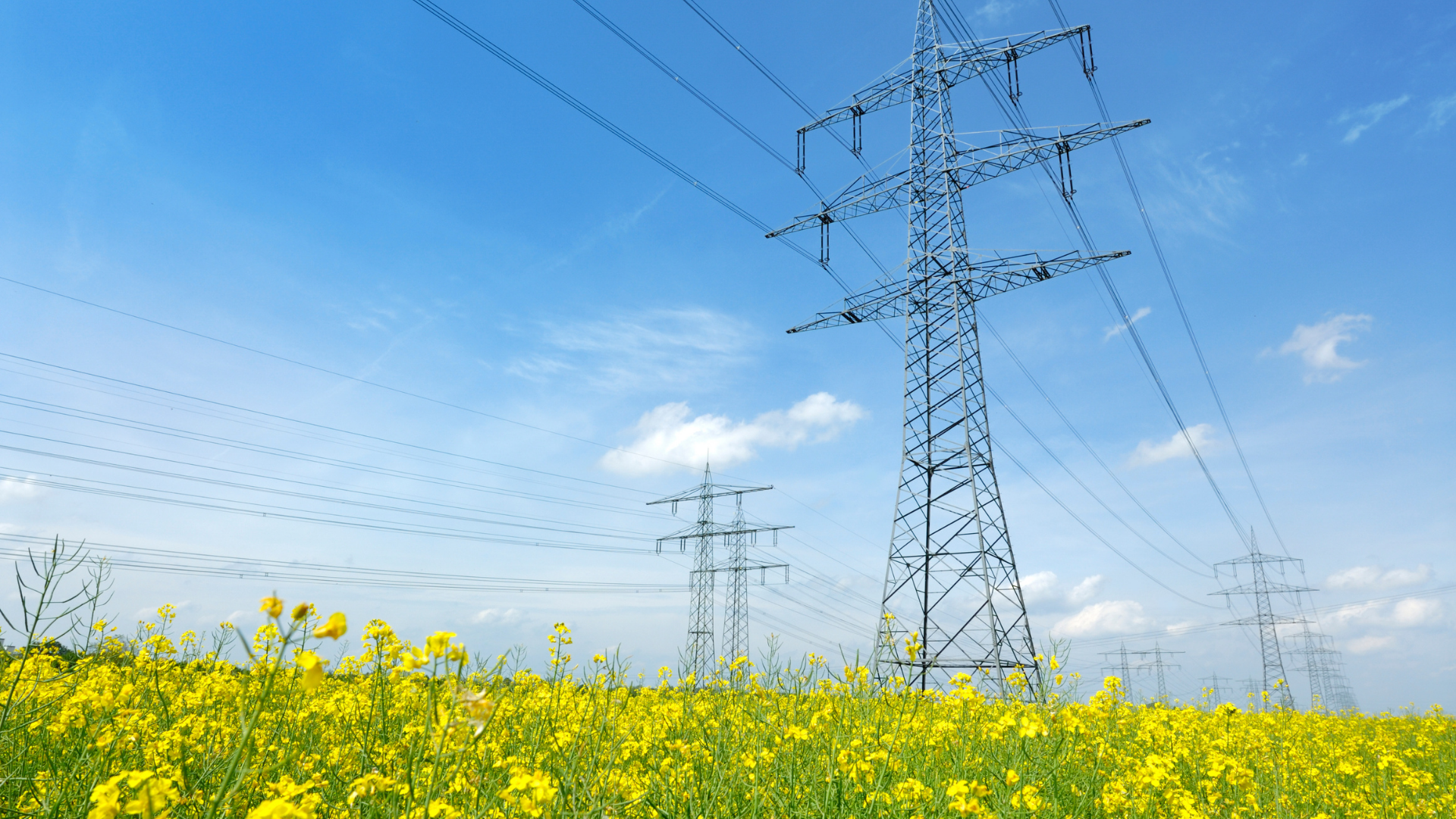
At the heart of this new approach is the Strategic Spatial Energy Plan (SSEP), a national framework designed to guide the development of energy infrastructure across Great Britain . The SSEP will identify optimal locations for electricity and hydrogen generation, storage, and transmission, based on environmental, economic and technical factors. It will also consider public input and land-use priorities, ensuring that future energy development aligns with broader societal goals.
The first iteration of the SSEP is expected in late 20265 and will be reviewed every three years. It will feed directly into the Centralised Strategic Network Plan (CSNP), helping to coordinate planning, seabed leasing and network upgrades. By aligning transmission and connection charges with spatial planning, the government aims to reduce investment uncertainty, lower consumer costs and accelerate the delivery of clean power.
This marks a shift toward a more coordinated and efficient electricity system, without fragmenting the market through regional pricing. For businesses, it means greater clarity on where future infrastructure will be built and how it may affect grid access and costs.
Modern Industrial Strategy
British Industrial Competitiveness Scheme (BICS) which forms part of the Government’s Modern Industrial Strategy – formal consultation on eligibility and design is expected imminently; scheme launches in 2027, offering £35-£40/MWh electricity cost reductions for circa 7,000 energy-intensive businesses.
In June, the UK Government launched its Modern Industrial Strategy, a long-term plan to drive investment and growth in key sectors, including clean energy and foundational industries. The strategy, which spans 10 years, is designed to make it quicker and easier to invest and expand in a more competitive, secure and resilient economy.
The British Industrial Competitiveness Scheme (BICS), set to launch in 2027, is a cornerstone of the UK’s strategy to enhance industrial productivity and global competitiveness. Under BICS, eligible businesses will benefit from a significant reduction in electricity costs, estimated at £35–£40 per megawatt hour (MWh), through exemptions from key policy levies including the Renewables Obligation, Feed-in Tariffs and the Capacity Market6. The scheme is designed to support energy-intensive industries, improve cost parity with international competitors and stimulate investment in UK manufacturing and innovation. A formal consultation on eligibility criteria and scheme design is expected imminently, with the government committed to ensuring readiness for rollout by 2027. Under BICS, the government is looking to give benefits to around 7000 eligible businesses from 20277. It is possible that the cost of those benefits would have to be recovered from non-eligible electricity consumers, either via an expansion of the ESL or through another non-commodity levy.
The strategy also includes £4 billion in funding for growth sectors, a £1 billion supply chain fund for Great British Energy and £10 billion in clean growth finance. Foundational industries such as cement and chemicals will receive targeted support to decarbonise operations, including access to the expanded Clean Industry Bonus, now worth £544 million.
These measures are underpinned by the forthcoming Industrial Strategy Bill, which will enshrine long-term support mechanisms in law and establish an Industrial Strategy Council to oversee delivery. For businesses, this represents a more stable and supportive environment for energy investment and innovation.
Could Your Business Benefit from EII Support?
Further EII support on the way, increasing the support from 60% to 90% on Network Charges
The UK Government offers a range of financial relief schemes to help Energy Intensive Industries (EIIs) manage electricity and carbon costs8. If your business uses a lot of electricity and operates in a qualifying sector, you could be eligible for significant savings.
What Support Is Available?
Exemptions from Energy Levies: partial or full relief from charges such as Contracts for Difference (CfD), Renewables Obligation (RO), Feed-in Tariffs (FiTs), and the Capacity Market (CM).
Network Charging Compensation Scheme: up to 60% of network charges refunded, rising to 90%, as announced by the Modern Industrial Strategy. Plus, relief from the ESL.
Carbon Cost Compensation: support for businesses exposed to international competition through the UK ETS Compensation Scheme.
Climate Change Levy Discounts: available through participation in Climate Change Agreements (CCAs).
The British Industry Supercharger and British Industrial Competitiveness Scheme will provide further opportunities to reduce energy costs for eligible businesses.
Who Can Apply?
You may qualify if:
you operate in a high electricity and trade intensity sector (e.g. chemicals, steel, industrial gases, refined petroleum).
your electricity costs are ≥ 20% of your Gross Value Added (GVA).
you can provide at least three months of electricity data and one quarter of financial data
How to Apply
Applications are submitted to the UK Government Department for Business and Trade. If successful, you will receive an EII certificate to share with your electricity supplier. Other schemes, such as network charge refunds, are claimed quarterly via Elexon.
Final Thoughts
It is a pivotal time for the UK energy industry. Shell Energy is here to help you navigate these reforms with clarity and confidence. If you have questions or would like to explore mitigation strategies, please get in touch.
References
1 Nuclear Regulated Asset Based Bulletin - Low Carbon Contracts
4 Review of electricity market arrangements (REMA): Summer update, 2025 (accessible webpage) - GOV.UK
5 Strategic Spatial Energy Planning (SSEP) | National Energy System Operator
7 Written statements - Written questions, answers and statements - UK Parliament
8 British Industry Supercharger gives huge boost to UK businesses - GOV.UK
View our online content disclaimer.
Related articles